Sagrada Família: Gaudí’s Unfinished Masterpiece
Few buildings in the world feel alive, yet the Sagrada Família is one of them. Antoni Gaudí’s vision has been under construction since 1882, yet every façade, column, and tower pulses with intention. The Nativity façade celebrates birth and hope, the Passion façade dramatizes sacrifice, and the Glory façade, still in progress, promises transcendence. Step inside and light pours through stained-glass windows in cascading colors, painting the stone like living mosaics. The columns branch like trees, dissolving architecture into nature, and every detail invites awe, reflection, and endless photographs.
Park Güell: The City’s Playground in Stone
Originally intended as a residential park, Park Güell is Gaudí’s surreal vision made tangible. Mosaic serpents coil along benches, lollipop-shaped lampposts punctuate winding paths, and whimsical pavilions resemble gingerbread houses. From the terrace, Barcelona stretches to the Mediterranean, offering a rare combination of playful detail and panoramic perspective. Gaudí’s work here feels less like architecture and more like a storybook—one you can wander through at your own pace.
Casa Batlló and Casa Milà: Streets as Canvas
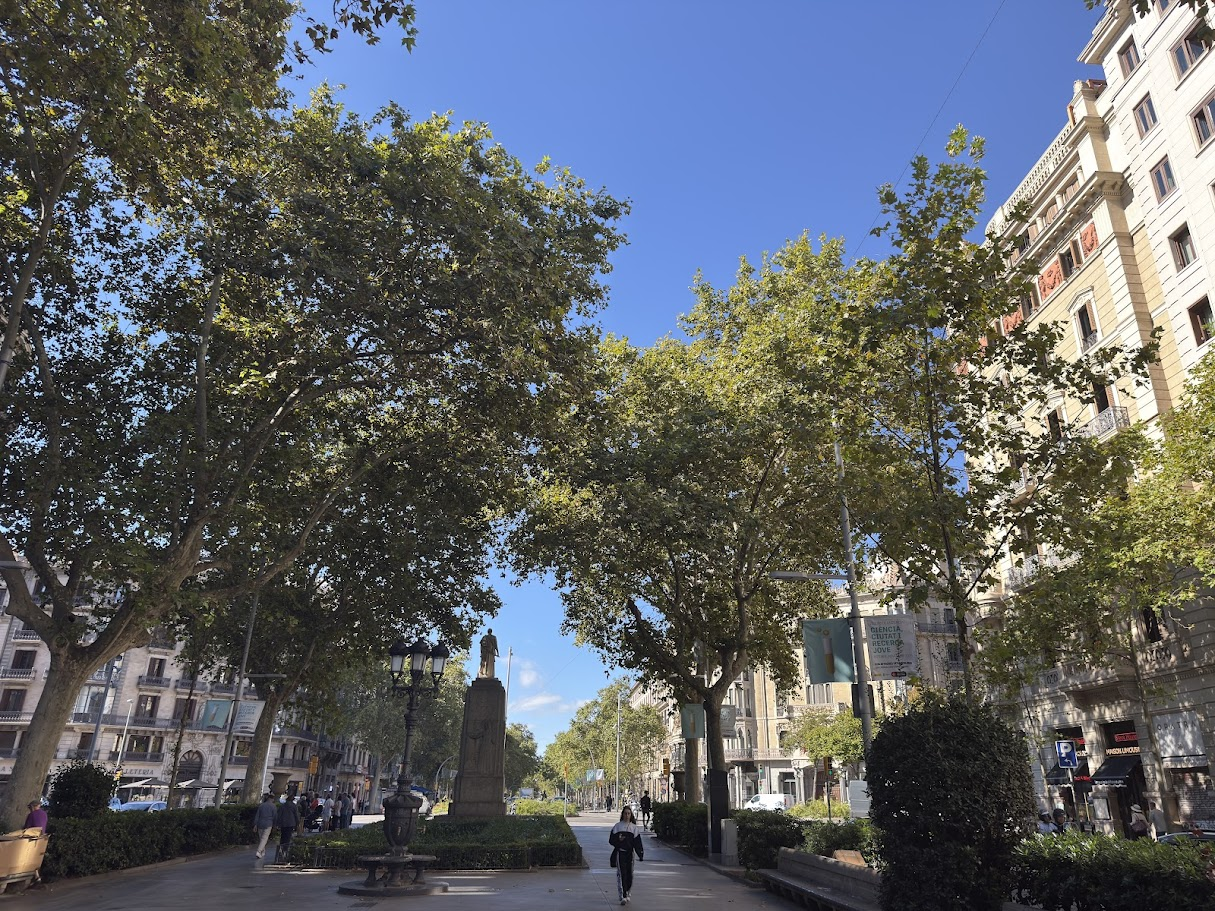
Walking along Passeig de Gràcia, you encounter Gaudí’s residential masterpieces. Casa Batlló ripples like a living creature, its balconies shaped like masks, roof tiles like dragon scales. Casa Milà (La Pedrera) twists stone into undulating waves, and its rooftop chimneys rise like modernist sculptures against the skyline. Both buildings blur the line between structure and art, showing how imagination can infiltrate daily life. Inside, you’ll find clever solutions to light, ventilation, and circulation, all hidden beneath whimsical forms.
Gothic Quarter: Layers of Time
Barcelona’s Barri Gòtic is a labyrinth of narrow streets, hidden squares, and centuries-old churches. Roman walls peek from beneath medieval stonework; Gothic arches frame small cafés and artisan shops. Walking here is like peeling back layers of history: every alley tells a story of empire, trade, and rebellion. The neighborhood’s intimate scale contrasts sharply with the grandeur of Gaudí’s modernist works, giving the city a rhythm that shifts from human to monumental in minutes.
La Rambla and Mercat de Sant Josep (La Boqueria)
La Rambla is the artery of Barcelona life. Street performers, flower stalls, and cafés create a moving theater where locals and tourists mingle. Stop at La Boqueria Market, a riot of color, smell, and taste. Fresh produce, seafood, cured meats, and sweets spill from stalls, and wandering the aisles is an experience of both the senses and the city’s culture. La Rambla isn’t just a street—it’s a living stage for everyday Barcelona.
Montjuïc and Magic Fountain: Art, Views, and Spectacle
Montjuïc Hill combines history, art, and breathtaking vistas. Explore the Montjuïc Castle, gardens, and the Museu Nacional d’Art de Catalunya, then pause for the Magic Fountain. When night falls, water, music, and colored lights turn the hillside into a spectacle that feels like Barcelona distilled into movement and joy. From the top, the city, sea, and horizon converge, revealing the interplay between natural topography and urban ambition.
Barceloneta and the Waterfront: Life by the Sea
The Barceloneta district and nearby beaches show another face of Barcelona: relaxed, sun-soaked, and social. Fishermen’s boats sit beside modern promenades, and tapas bars spill onto the sand. Walking along the waterfront, you feel the Mediterranean’s influence on the city’s rhythms, cuisine, and architecture—a reminder that Barcelona’s identity is both coastal and cosmopolitan.
Barcelona is a city where imagination meets history, and streets themselves are museums. From Gaudí’s whimsical architecture to the Roman and Gothic layers beneath, from lively markets to panoramic viewpoints, every step invites curiosity. Walk slowly, look closely, and let the city reveal how creativity can shape a skyline—and a life.